Top 10 Custom Spring Clip Suppliers for Precision Engineering (2026)
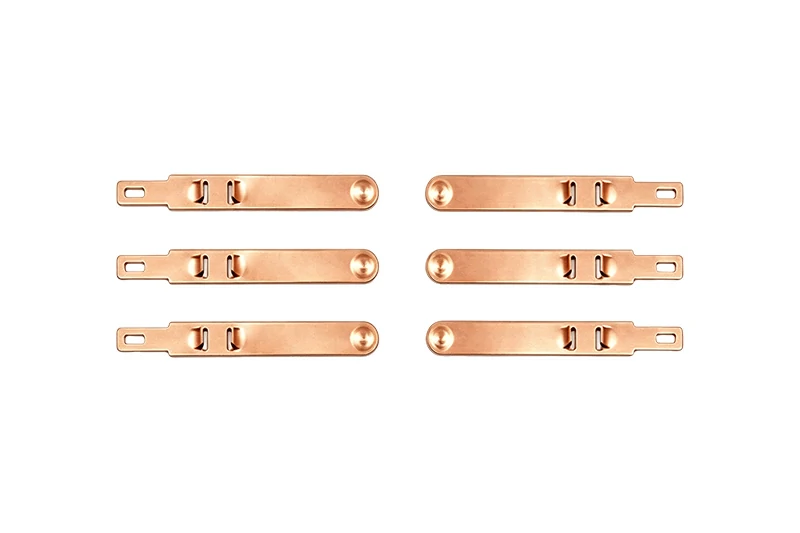
Ten checks to separate a precision spring-clip supplier from a stamping shop, plus a scorecard and where we fit.
Which Spring Clips Are Most Suitable for High-Fatigue Applications?
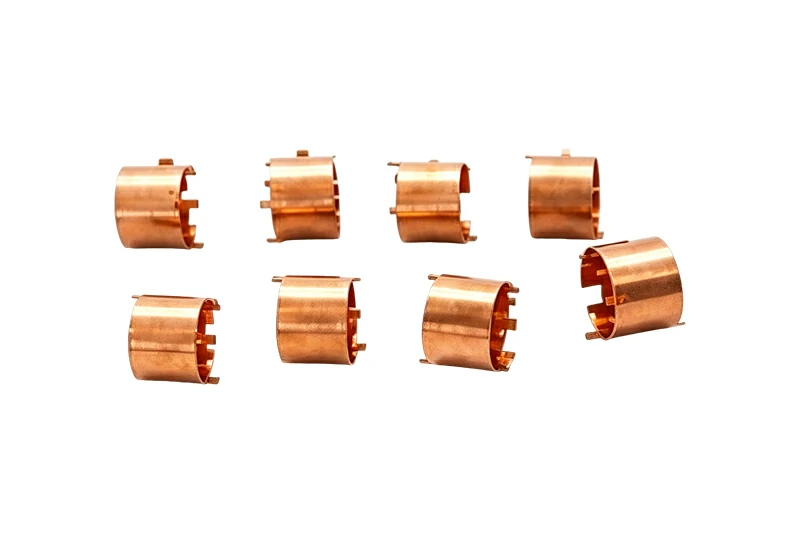
Which spring clip survives high-cycle duty? Material, geometry, and process levers, with a decision path and example.
How Much Do Custom Metal Clips Cost? Price Drivers, MOQ & Tooling

What drives custom clip price, tooling, and MOQ, with indicative volume bands and how to cut cost without losing reliability.
Spring Clips vs Retaining Rings: Which Is More Reliable for Long-Term Stability?
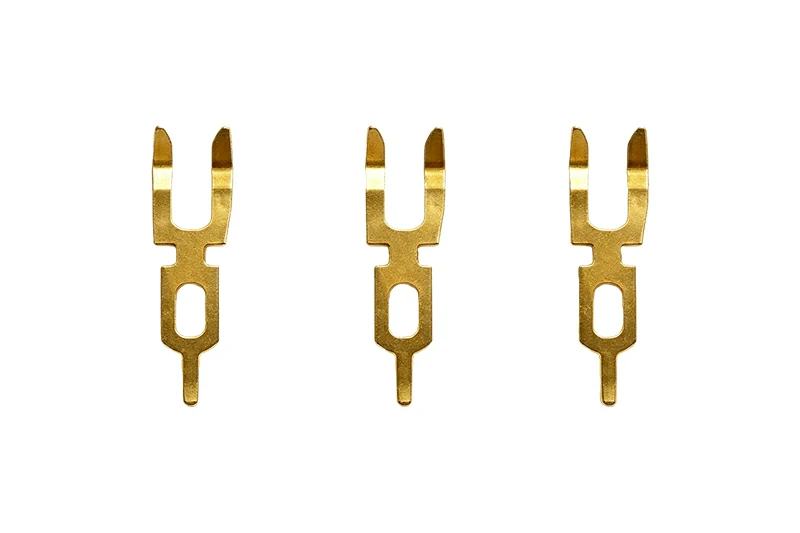
Spring clips vs retaining rings for long-term stability: how each holds under load, failure modes, and when to choose which.
Metal Clips vs Spring Clips: Which Performs Better in High-Vibration Environments?
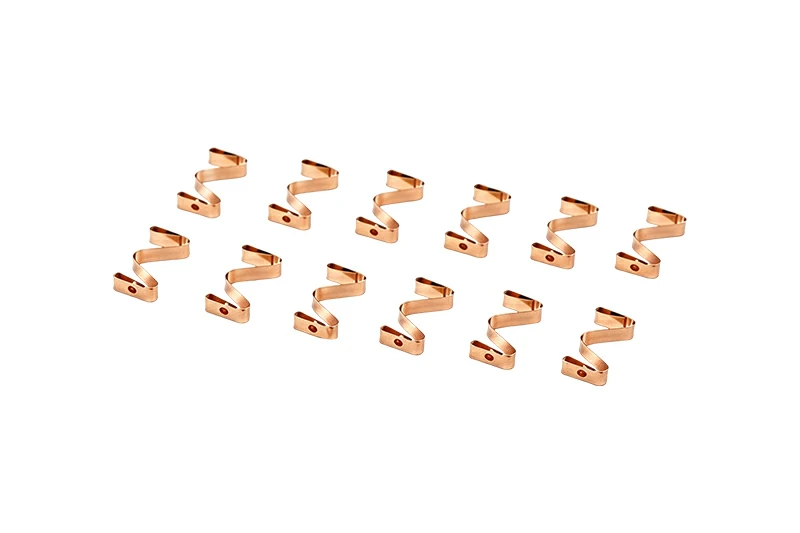
Metal clips vs spring clips under vibration: which resists fretting and loosening? Compare hold, failure modes, and how to spec a vibration-resistant clip.
Electrical Contacts vs Connectors: Key Differences in Performance and Application
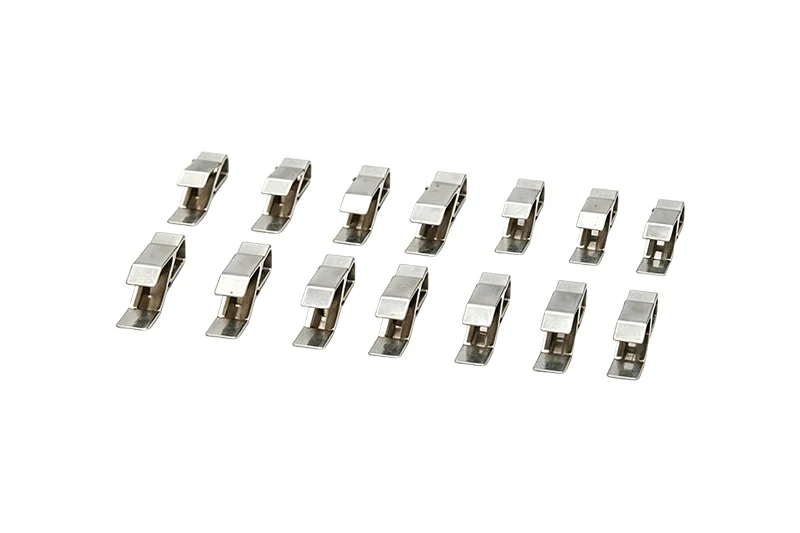
Electrical contacts vs connectors: what each does, how it carries current, signal integrity, and how to specify the right one.
Metal Clips vs Plastic Clips: Which Is More Durable for Industrial Use?
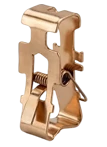
Metal clips vs plastic clips for industrial durability: heat, corrosion, UV, creep, and a side-by-side scorecard to choose the right clip.
Electrical Contacts vs Spring Contacts: Which Is Better for Stable Signal Transmission?
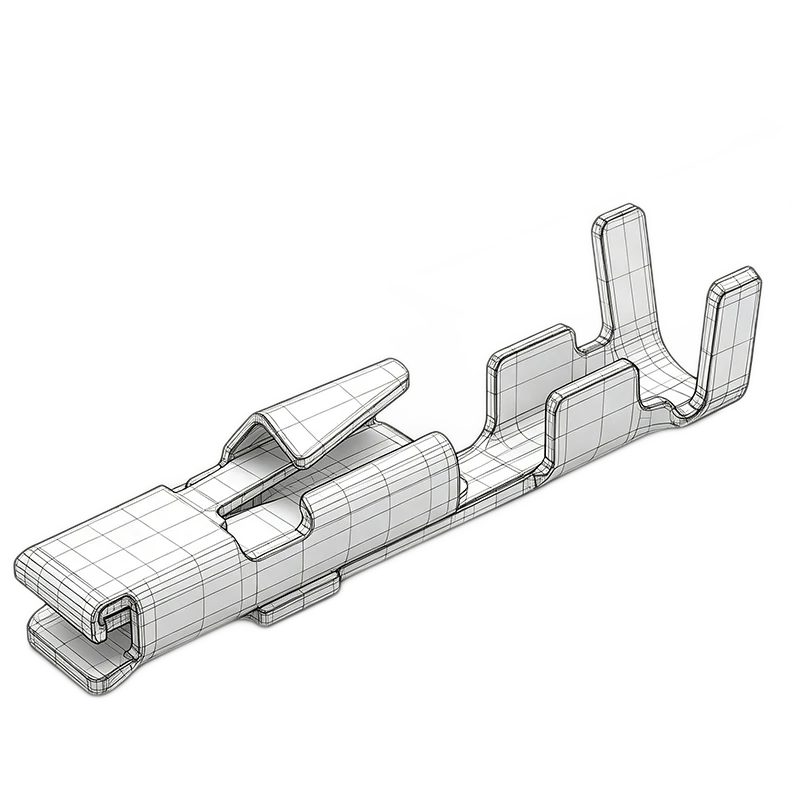
Fixed or spring contact? See which keeps signal resistance low and steady under vibration, heat, and millions of cycles.
Custom Metal Clips & Spring Clips: Types, Applications & How to Order
Complete guide to custom metal and spring clips: types, failure modes, materials, plating, and how to spec, source, and order with confidence.
Request a Precision Stamping Quote: Prototype-to-Production Guide
Ready to request a precision stamping quote? HERSHEY’s guide covers RFQ inputs, prototyping, production milestones, lead time, and how to evaluate your quote.