
10 Critical Questions to Ask Before Choosing a Custom Extension Spring Manufacturer
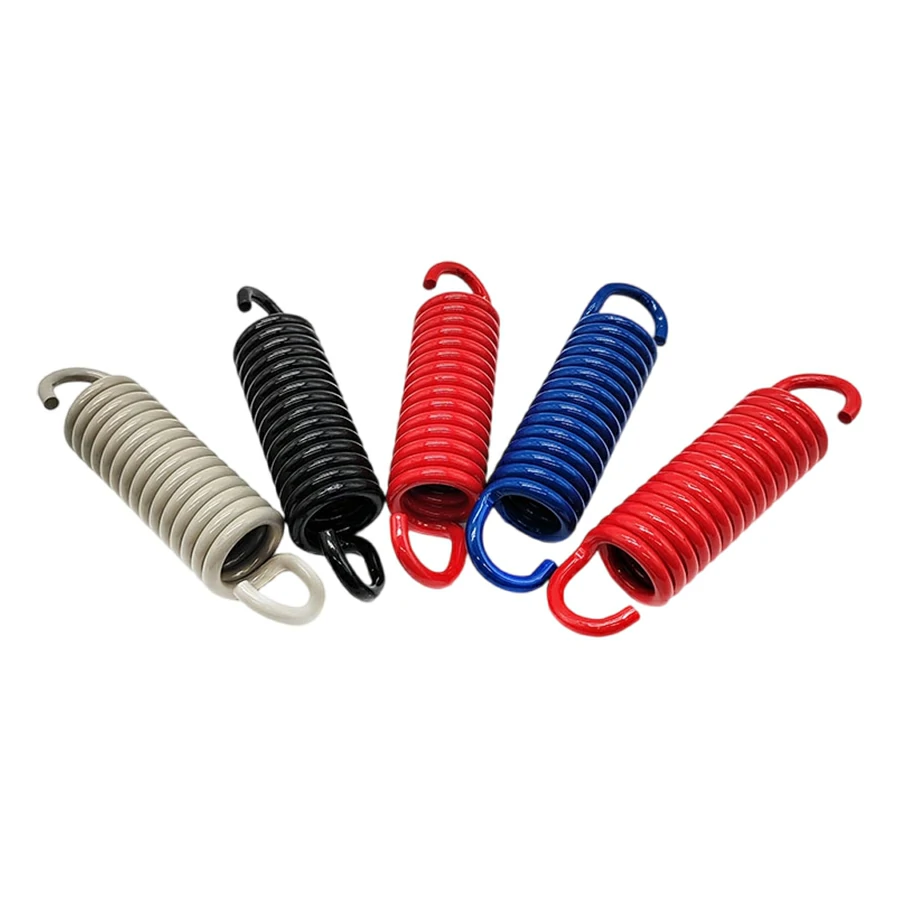
This technical procurement guide provides OEM buyers with a strategic 10-point evaluation framework for selecting a qualified custom extension spring manufacturer. By establishing strict criteria for CNC production capabilities, material expertise, and in-house design support, procurement teams can effectively mitigate mechanical risks and secure a partner equipped for stable, high-volume mass production.
How to Choose a Reliable Custom Extension Spring Manufacturer for OEM Orders
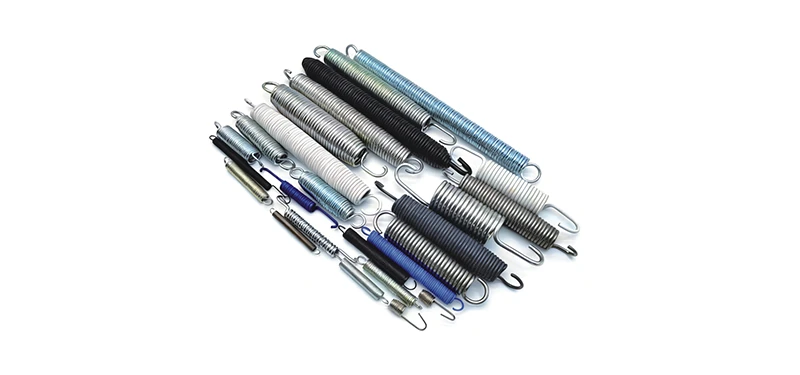
This guide provides a professional evaluation framework for OEM buyers seeking a reliable custom extension spring manufacturer. It outlines critical technical criteria—including design optimization, material selection, and production stability—that distinguish premium manufacturing partners from trading companies, helping procurement teams mitigate supply chain risks and ensure long-term mechanical reliability.
How to Specify Custom Extension Springs for Automotive Components: An OEM Buyer’s Guide
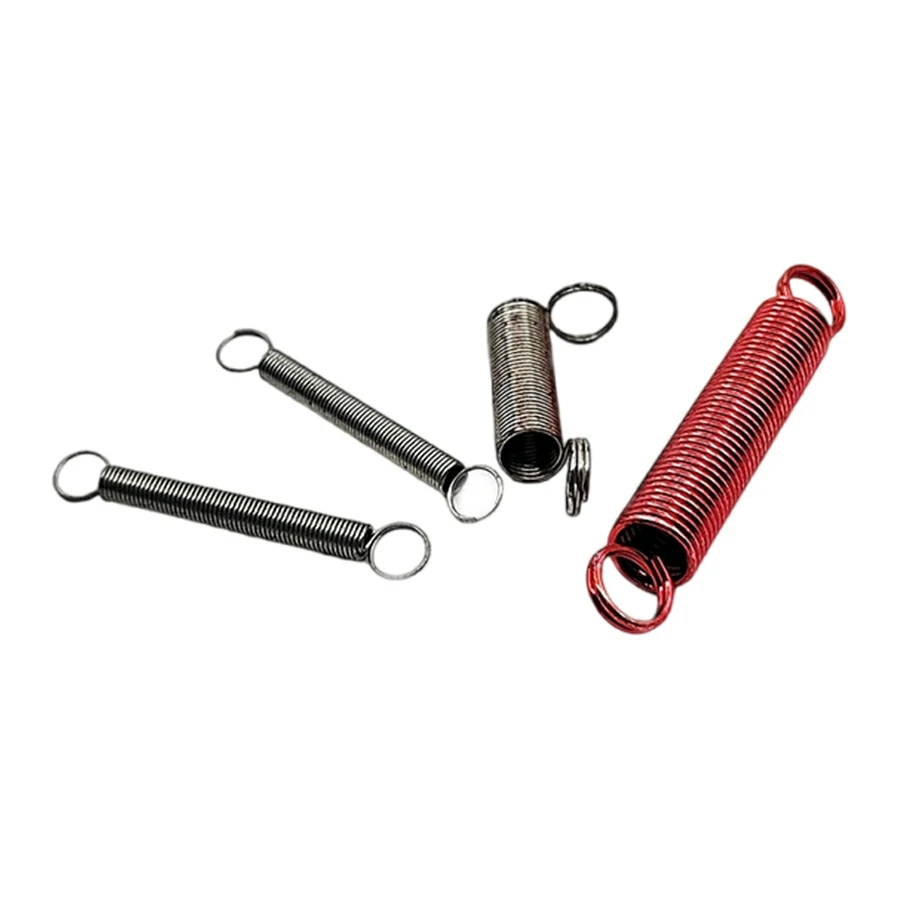
This technical guide provides automotive engineers and procurement teams with a data-driven framework for specifying custom extension springs. It details how to optimize hook configurations, material selection, and initial tension to meet rigorous automotive fatigue standards, ensuring long-term reliability from prototype through to mass production.
What is the Right Wire Diameter Range for Heavy-Duty Industrial Pins?
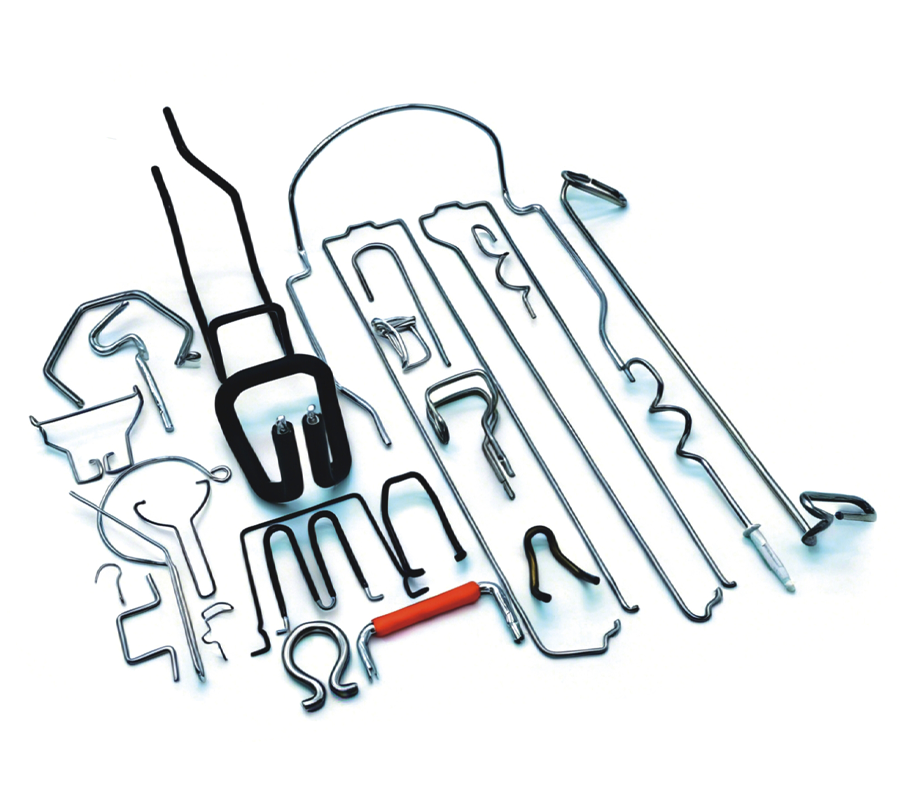
This article provides a technical guide for procurement managers to select heavy-duty pins. It highlights the critical balance between wire diameter, forming stability, and material fatigue life, positioning Hershey as an expert solution for high-load industrial applications.
What Fits Micro-Diameter Medical Locking Pins Best: 316L Stainless Steel or Titanium?
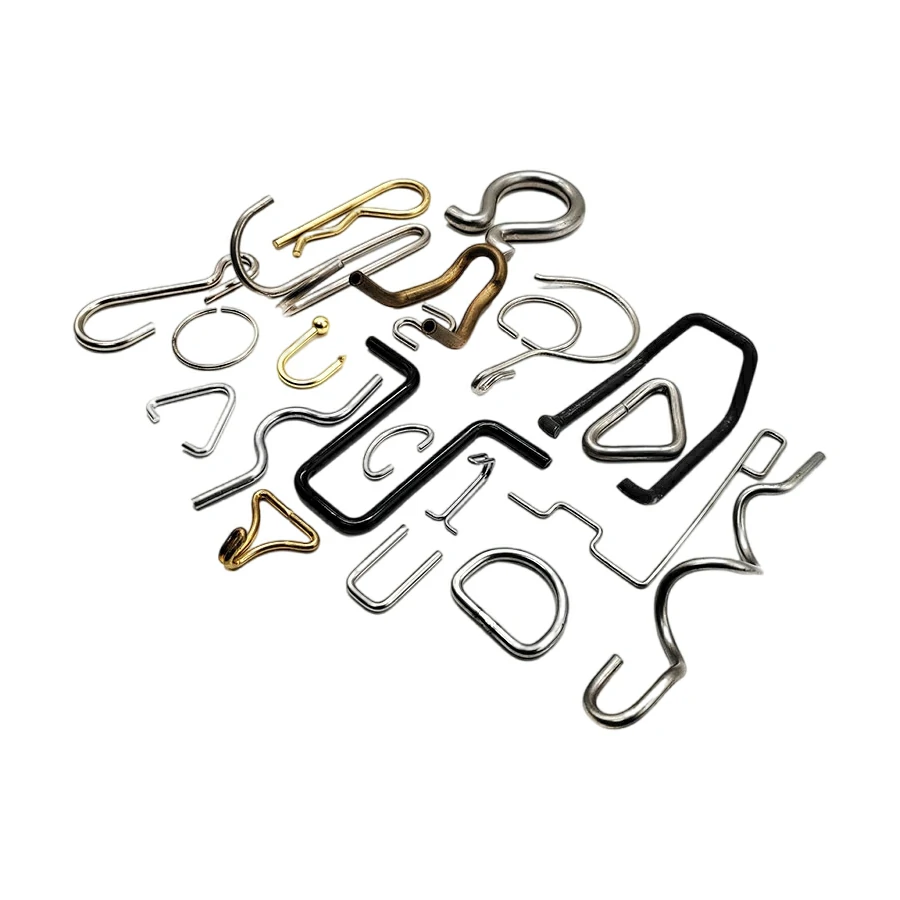
This article provides an engineering-focused comparison between 316L Stainless Steel and Titanium for micro-diameter medical locking pins. It highlights why 316L is the default choice for achieving ±0.01mm tolerance stability in batch production, while Titanium remains the superior option for permanent, biocompatible implantation. It serves as a decision-making framework for procurement managers and medical device designers to balance cost, performance, and clinical safety.